School Feeding and Lunch Program Updates Nigeria 2026 matters a lot to many families, teachers, and school owners across the country. It affects how children learn, how often they attend school, and how healthy they grow. In Nigeria, school feeding is not just about food. It is about care, fairness, and giving every child a better chance to succeed in life. This article explains the latest ideas, goals, and direction of school feeding and lunch programs in Nigeria in a simple and clear way.
Understanding School Feeding and Lunch Program Updates Nigeria
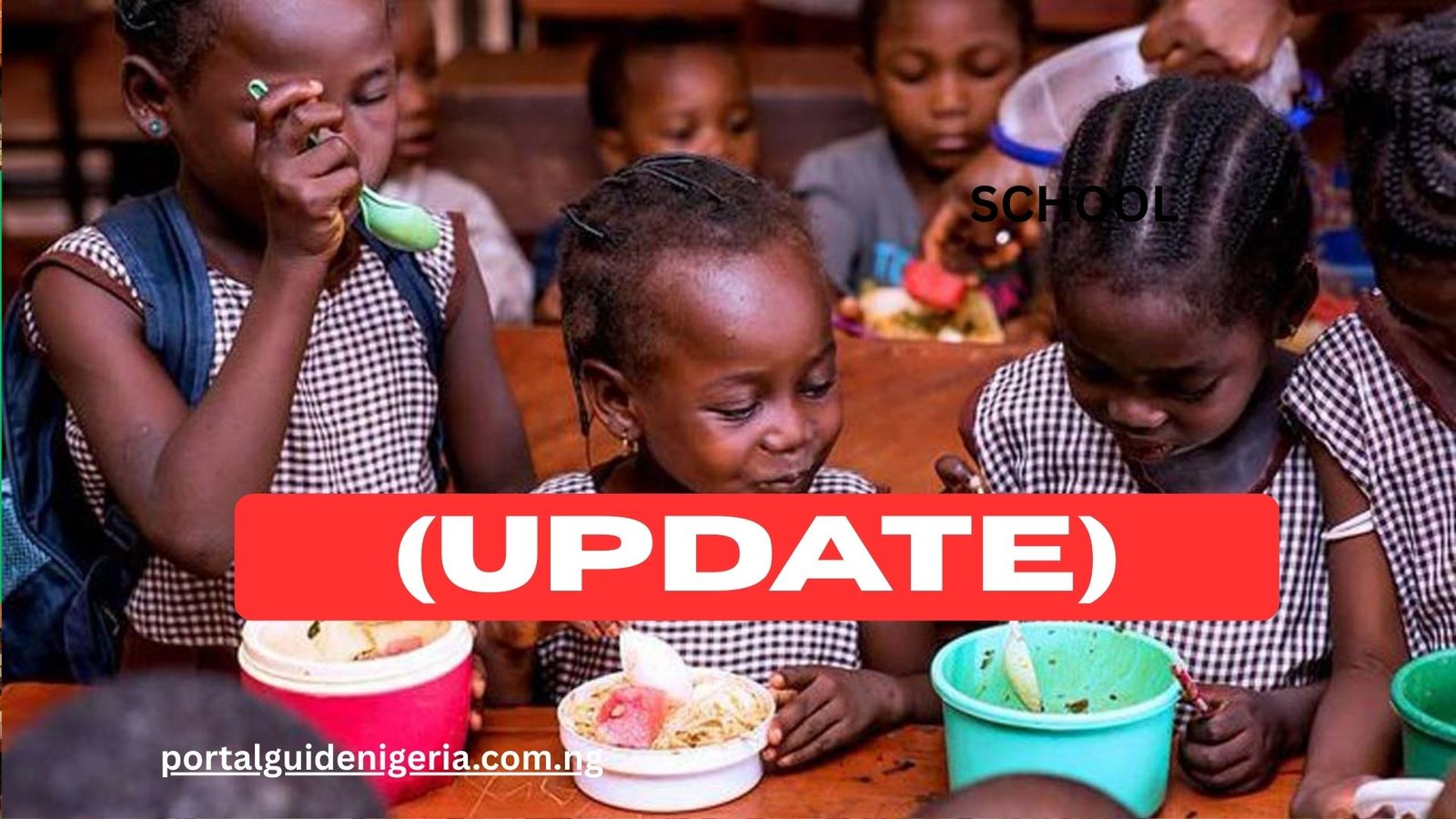
School feeding programs are plans made to give pupils free or subsidized meals during school hours. These meals are often served in public primary schools, especially in rural and low-income areas. The main goal is to help children stay in school, learn better, and grow well. When children eat good food, they can focus in class and feel happy at school.
Main goals of school feeding programs include:
-
Helping children attend school regularly
-
Reducing hunger during learning hours
-
Supporting healthy growth and development
-
Encouraging parents to send children to school
In recent years, School Feeding and Lunch Program Updates Nigeria have focused more on quality, safety, and local food supply. There is stronger attention on balanced meals that include grains, vegetables, protein, and fruits. The idea is not to fill the stomach alone, but to nourish the body and mind of every child.
Why School Feeding Programs Matter in Nigeria
Nigeria has millions of school age children. Some of them go to school without eating breakfast. Others stay at home because their parents cannot afford daily meals. School feeding programs help to solve these problems in a simple but powerful way.
Key benefits for families and schools:
-
Improved school attendance
-
Better focus during lessons
-
Reduced dropout rates
-
Support for low income households
When schools provide meals, parents feel encouraged to send their children to school. Attendance improves, and drop out rates reduce. Teachers also report that children who eat at school are more active and calm during lessons. This shows that feeding and learning are closely connected.
School Feeding and Lunch Program Updates Nigeria and Child Health
One major part of School Feeding and Lunch Program Updates Nigeria is child health. Good food helps children fight sickness and grow strong bones and muscles. Many school meals now focus on reducing hunger and common nutrition problems.
Common food groups included in school meals:
-
Grains such as rice or maize
-
Proteins like beans or eggs
-
Vegetables and fruits
-
Clean drinking water
Meals are planned to be clean, safe, and cooked in a healthy way. Clean water and hygiene are also part of the plan. When children eat safe food, they miss fewer school days due to illness. This supports steady learning throughout the school year.
Role of Local Farmers in School Feeding Programs
An important update in school feeding plans is the use of local farmers. Food items are often sourced from nearby farms and markets. This supports local businesses and creates jobs within the community.
Benefits of sourcing food locally:
-
Fresher food for children
-
More income for farmers
-
Reduced transport cost
-
Stronger community economy
By buying food locally, schools get fresh items, and farmers earn steady income. This system builds trust and keeps money within local areas. It also teaches children the value of farming and local food production.
School Feeding and Lunch Program Updates Nigeria in Rural Areas
Rural schools face special challenges such as poor roads and limited facilities. Recent School Feeding and Lunch Program Updates Nigeria pay more attention to these areas. Simple kitchens, trained cooks, and community support help rural schools run feeding programs smoothly.
Support strategies used in rural areas:
-
Community based cooking teams
-
Simple food storage methods
-
Local supervision and monitoring
Community members often help with cooking and food supply. This shared effort builds unity and care for children. When communities feel involved, the program becomes stronger and more trusted.
How School Feeding Supports Girls Education
School feeding programs play a quiet but strong role in girls education. In some homes, girls are kept at home to help with chores. Free meals at school reduce this pressure and encourage parents to send girls to school.
Ways school feeding helps girls:
-
Reduces home food burden
-
Encourages regular attendance
-
Improves confidence and focus
With regular meals, girls stay in school longer and perform better. This supports equality and helps young girls dream of better futures. School feeding is not just food, it is opportunity.
School Feeding and Lunch Program Updates Nigeria and Learning Outcomes
Learning improves when children are not hungry. This is one of the clearest results of school feeding programs. Teachers notice better attention, memory, and class participation among fed pupils.
Observed classroom improvements:
-
Better listening during lessons
-
Increased participation
-
Reduced tiredness
School Feeding and Lunch Program Updates Nigeria now connect meals with learning goals. Meal times are organized so they do not disturb lessons. Some schools even use food topics to teach basic health and science ideas in class.
Challenges Facing School Feeding Programs
Even with progress, challenges still exist. Some schools struggle with regular food supply. Others face issues with storage or cooking space. Monitoring and consistency are also important concerns.
Common challenges include:
-
Late food delivery
-
Limited cooking equipment
-
Poor storage facilities
To solve these problems, better planning and community involvement are needed. Training for cooks and school staff helps improve food quality and safety. Clear guidelines also help schools follow the same standards.
School Feeding and Lunch Program Updates Nigeria and Transparency
Transparency is key to trust. Recent updates focus more on clear records and open processes. This helps reduce waste and misuse of resources.
Transparency measures include:
-
Clear food records
-
Community monitoring
-
Open communication
When programs are transparent, parents and communities feel confident. They are more willing to support and protect the feeding system. Trust makes the program last longer and work better.
Simple Comparison Table: Before and After School Feeding
| Area | Before Feeding | After Feeding |
|---|---|---|
| Attendance | Low | Improved |
| Learning focus | Poor | Better |
| Child health | Weak | Stronger |
| Parent support | Limited | Increased |
The Role of Parents and Communities
Parents and local leaders play a big role in school feeding success. They help monitor meals and support school efforts. Some parents volunteer time or resources when possible.
Community support makes children feel valued. It also teaches responsibility and care. School feeding works best when everyone feels it belongs to them.
Looking Ahead at School Feeding and Lunch Program Updates Nigeria
Looking forward, School Feeding and Lunch Program Updates Nigeria aim to reach more children and improve meal quality. Better planning, stronger partnerships, and simple technology may help track progress and needs.
Future focus areas include:
-
Sustainability
-
Local food use
-
Reduced waste
The future focus is on sustainability. This means using local food, reducing waste, and keeping programs running even during hard times.
Conclusion
School feeding programs are a simple idea with deep impact. They support learning, health, and equality. In Nigeria, these programs continue to grow and improve with care and shared effort.
By focusing on children first, school feeding builds a stronger future. With continued attention and honesty, School Feeding and Lunch Program Updates Nigeria will keep helping children learn, grow, and smile every day.
Want to write JAMB and pass with flying colors? Check this guide on how to pass JAMB 2026 in one sitting it will help you score high and get all your grades/papers once and for all.
With this guide, you will discover How to Get Admission Without JAMB in Nigeria. Now no more excuse; everyone can be in school.
Want to gain admission without JAMB? Here are Top 20 Polytechnics that offer Admission without JAMB in Nigeria. Admission now made easy.
Want to gain admission into University without JAMB? Checkout this Top 20 Universities That Offer Admission Without JAMB in Nigeria. Bo more staying at home.
Do you want admission into a private university? Here are Top 20 Private Universities That Offer Admission Without JAMB in Nigeria. Now, no more excude.
Did you expereince difficulty with admission? Checkout this Top 20 State Universities That Offer Admission Without JAMB in Nigeria. Gain admission easily.
Unable to get admission? Here are Top 20 Federal Universities That Offer Admission Without JAMB in Nigeria. Verified information.
This list of Top 20 Private Polytechnics that offer Admission without JAMB in Nigeria will help you secue admission fast without JAMB. Check it out.